What Is The Difference Between Embroidery And Heat Press Printing?
Selecting the right branding method for uniforms is rarely just about appearance. It shapes how a business is perceived, how garments perform under pressure and how often they need replacing. For companies investing in workwear in Dubbo, the choice between embroidery and heat press printing becomes a practical decision tied to durability, comfort and long-term value. Each method serves a different purpose, and understanding how they function in real working conditions helps ensure your uniforms align with both branding and operational needs.
The Visual Impact Of Stitch Versus Print
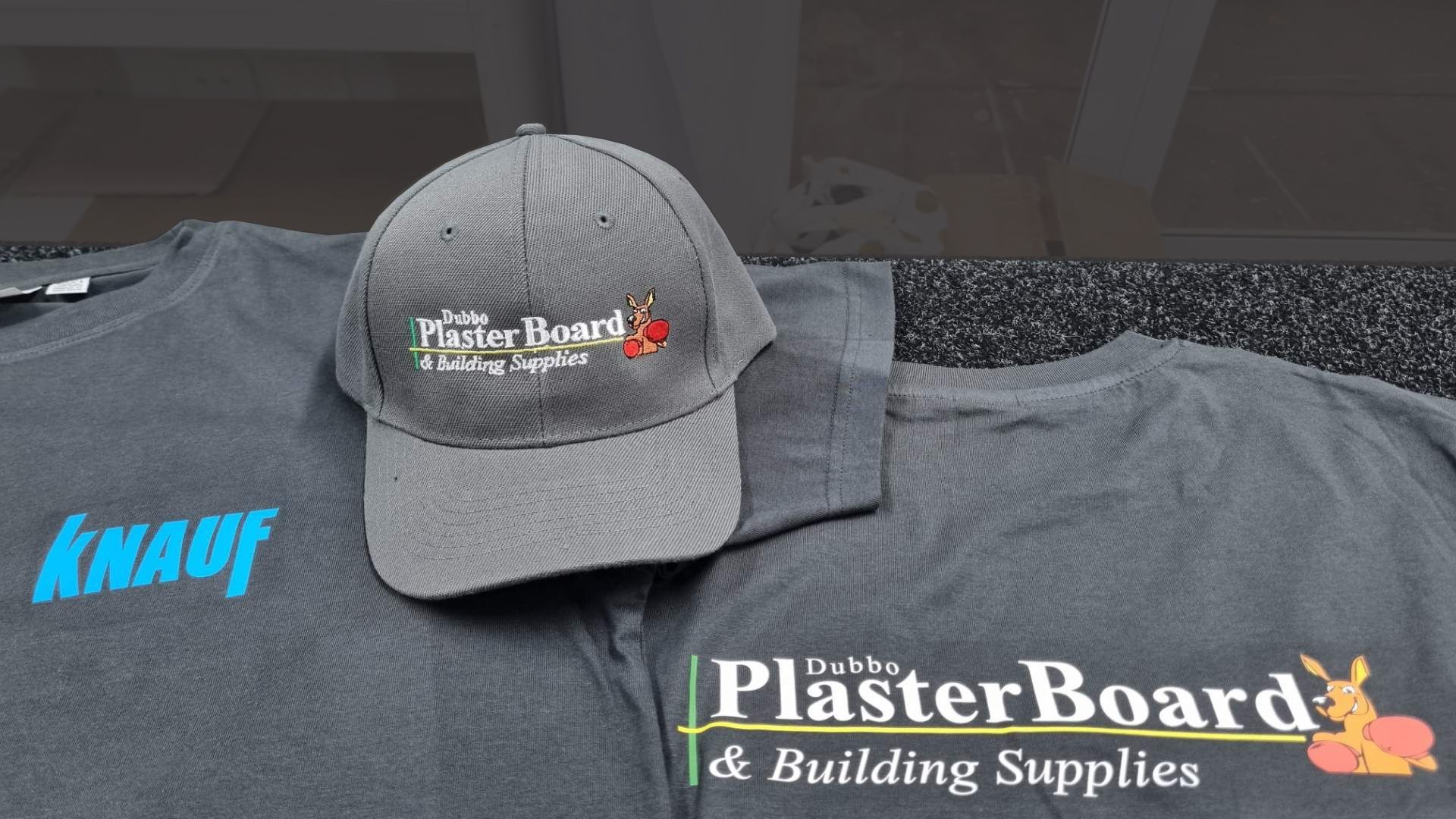
The way branding appears on a garment influences how professional and consistent your team looks. Embroidery delivers a raised, textured finish, while heat press printing creates a smooth, detailed surface. This difference becomes noticeable when comparing how each method presents logos and graphics.
The visual outcome works by applying branding in distinct ways, such as:
- Embroidery creates a raised, textured logo
- Heat press produces a flat, smooth finish
- Stitching gives a more traditional appearance
- Printing allows sharper and more detailed visuals
Durability In Demanding Work Environments
Workwear is exposed to repeated washing, friction and environmental stress, making durability a key consideration. Embroidery is stitched directly into the garment, while heat press printing sits on the surface. This structural difference affects how each method holds up over time.
The durability of each method works by how the design is applied to the fabric, such as:
- Embroidery threads are embedded into the garment
- Heat press designs sit on top of the fabric
- Stitching resists peeling and cracking over time
- Printed designs may wear with repeated washing
Cost Considerations For Small & Large Orders
Budget decisions often depend on order size, frequency and design complexity. Embroidery involves setup through digitising and stitching, while heat press printing uses a more direct application process. These differences influence how costs scale across orders.
The pricing structure works by how each method is produced and set up, such as:
- Embroidery requires initial digitising setup
- Heat press has lower upfront costs
- Bulk embroidery reduces cost per unit
- Printing suits smaller or one-off orders
Fabric Compatibility & Garment Types
Different fabrics respond differently to branding techniques, which can affect both appearance and garment performance. Embroidery suits thicker materials, while heat press printing adapts better to lighter fabrics. Choosing the right method depends on how the fabric handles application.
Fabric compatibility works by how each method interacts with material weight and stretch, such as:
- Embroidery works best on thicker garments
- Heat press suits lightweight fabrics
- Stretch materials respond better to printing
- Heavy fabrics support stable stitching
Comfort & Wearability On The Job
Uniform comfort plays a role in how consistently garments are worn throughout the workday. Embroidery adds thickness to the fabric, while heat-press printing remains flat and flexible. This difference affects how the garment feels during movement and extended wear.
Comfort is influenced by how the branding sits on the garment, such as:
- Embroidery adds weight and texture to fabric
- Heat press maintains a smooth surface
- Printed designs allow greater flexibility
- Stitching may be felt on the inside of garments
Design Flexibility & Branding Options
Branding requirements can vary from simple logos to detailed graphics with multiple colours. Embroidery is better suited to bold designs, while heat press printing allows for more intricate detail. This difference determines how accurately your branding can be reproduced.
Design flexibility works by how each method handles detail and colour, such as:
- Heat press supports complex and detailed graphics
- Embroidery suits simple, bold logos
- Printing allows for gradient and colour variation
- Stitching limits fine detail in smaller designs
Turnaround Times & Production Efficiency
Production timelines can impact how quickly new uniforms are rolled out or replaced. Heat press printing is generally faster due to its streamlined process, while embroidery requires setup and stitching time. This affects how quickly orders can be completed.
Turnaround efficiency works by differences in production steps, such as:
- Heat press allows faster application
- Embroidery requires setup before stitching
- Printing suits urgent or short-notice orders
- Stitching is more efficient for planned bulk runs
Industry Suitability & Practical Use Cases
Different industries place different demands on workwear, from durability to presentation and visibility. Embroidery is often chosen for long-term use, while heat press printing suits more flexible or high-visibility needs. The suitability of each method depends on how the garments are used in practice.
Industry alignment works by matching the method to working conditions, such as:
- Embroidery suits trades and professional environments
- Heat press fits casual or promotional settings
- Stitched logos reinforce a durable image
- Printed designs support visibility and variation
Make The Right Choice For Your Team
Choosing between embroidery and heat press printing comes down to how your uniforms are used, how long they need to last and how your brand should be presented. Here at Simmo Signs, we help businesses find practical branding solutions for Dubbo's workwear needs that balance durability, comfort and cost. If you are planning new uniforms or updating your current range, contact us today to discuss your options or book a consultation.